Property Care Journal / Article 16
Property Care Journal · Guide 16 of 40
Why Cleaning and Repairs Should Be Scheduled in the Right Order
A sequencing guide for property refreshes and turnovers.
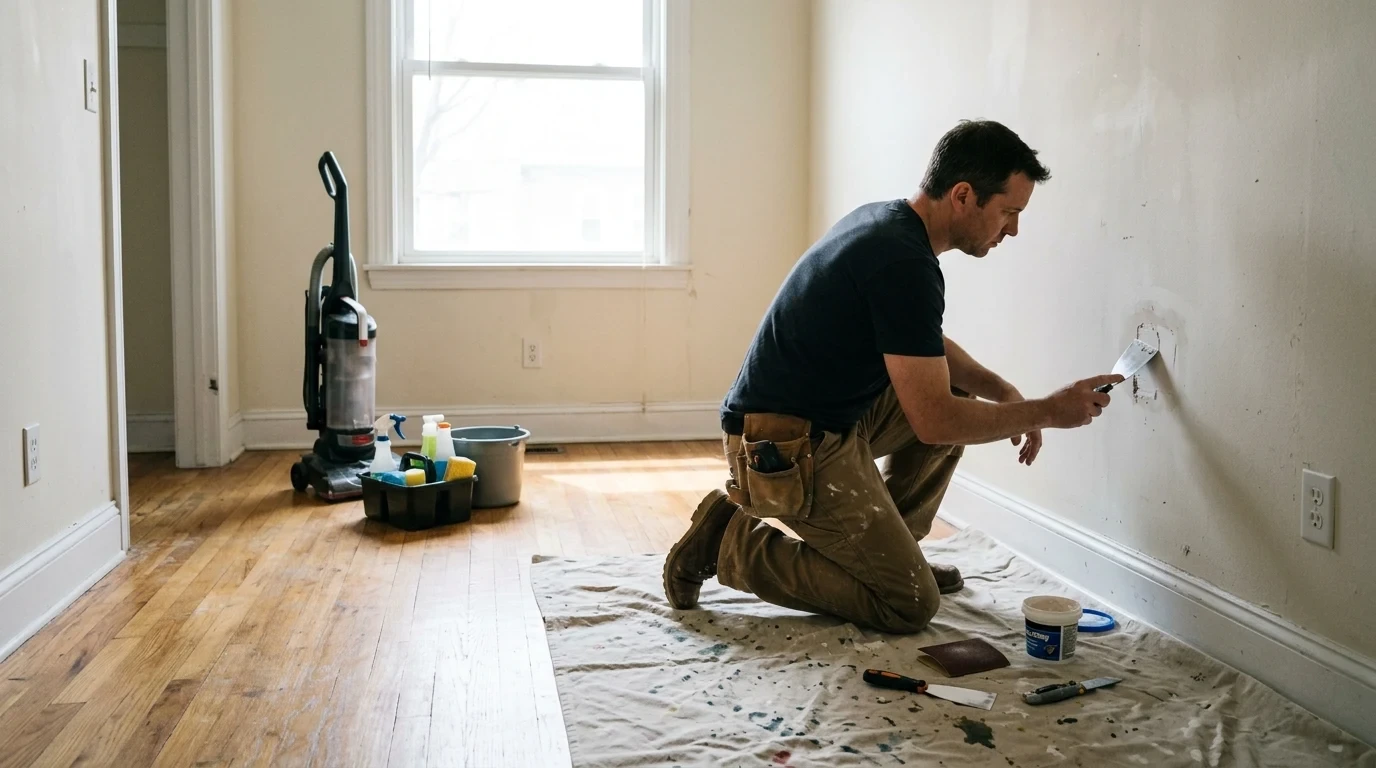

A sequencing guide for property refreshes and turnovers.
When cleaning happens before dusty repairs, the work may need to be repeated. A simple sequence can reduce rework and make the final presentation more consistent.
List cleaning, repair, paint, and access requirements. Confirm who is responsible for each task and which items need specialist providers.
Handle patching, painting, installations, and debris-producing work before the final clean. Allow appropriate time for drying or curing based on product guidance.
Schedule cleaning after maintenance, then walk the space to catch remaining dust, marks, or incomplete work. Update the owner if something needs a separate repair.
Before arranging the work, gather the details that will make the request clear:
Cleaning is most useful when the requested result is described in practical terms. Separate routine upkeep from stain treatment, repairs, or specialty work. Confirm the products or surfaces that need special care, and allow appropriate time for the space to dry before it is used again.
Use the recommendations in this guide as a starting point, then adapt them to the building, its occupants, the agreement in place, and local requirements. Keep a short record of decisions and revisit it when conditions change.
Write down the date, area reviewed, work requested, and person responsible for follow-up. Add photos when they clarify a condition, and keep the original image with its date rather than relying on memory. A short record is useful when a task spans more than one visit or when several people share property responsibilities.
After the work, note what was completed and which items remain open. Revisit the plan when the property changes use, occupants, or season. This simple habit helps owners make informed decisions about future upkeep without assuming that every property needs the same schedule.
Start with the property condition and the main priority described in this guide: When cleaning happens before dusty repairs, the work may need to be repeated. A simple sequence can reduce rework and make the final presentation more consistent. Note what is known, what needs checking, and who can make decisions.
Timing depends on the property, service, location, and current schedule. Share your preferred dates early, especially when work is tied to a move-in, seasonal change, or business hours, and confirm availability before making dependent plans.
It often helps to discuss related tasks in one request. Confirm the order, responsibilities, and scope for each task; some work may require a separate qualified provider or a different appointment.